Argentina: Jujuy potato harvest recovers, but costly seed trims planted area
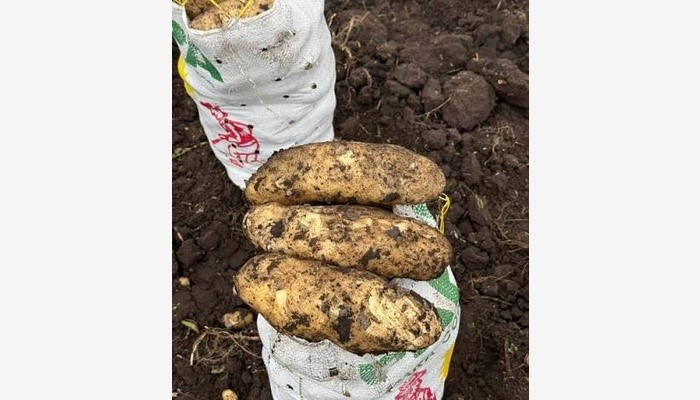
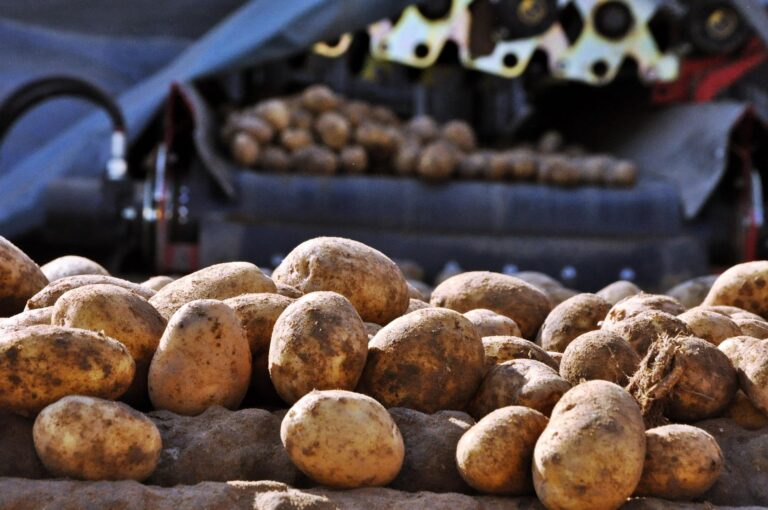
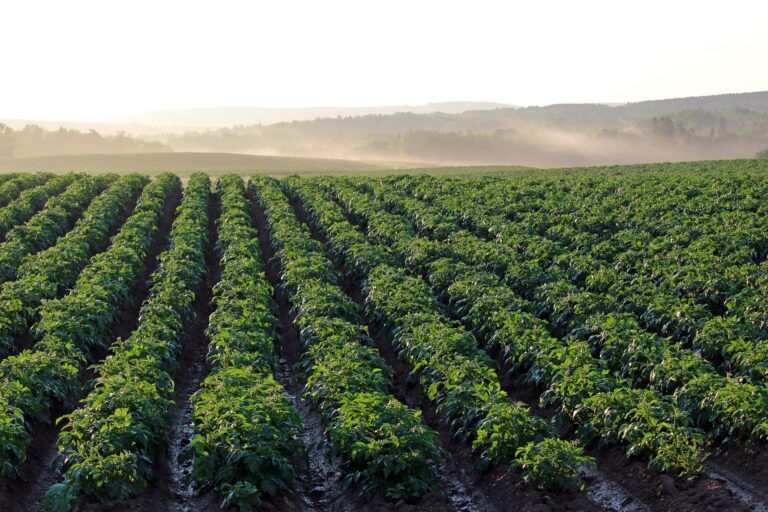
Growers in Jujuy, Argentina’s northernmost potato province, are harvesting a markedly better crop than last season. Seed costs are high, though. A bag now sells for ARS 60,000–65,000, and that price has pushed farmers to plant fewer hectares. During the short harvest window, a shortage of lorries is causing further delays.
Jujuy sits on the Bolivian border. It belongs to Argentina’s north-western “early crop” belt, which supplies the domestic market in spring, before the main harvest in Buenos Aires province. Grower Armando Alfaro told the news programme of local broadcaster Canal 7 de Jujuy that this season compares favourably with a difficult 2025. He said the year was going well and growers had no grounds for complaint.
Seed prices driven up by last year’s rains
Alfaro named seed as the main constraint. A bag currently costs ARS 60,000–65,000. At the Banco de la Nación Argentina official rate on 8 October 2026 (ARS 1,540/USD), that is roughly USD 39–42.
He attributed the increase to the previous season, when heavy rain damaged seed crops and some seed rotted in the field. As a result, the area planted in Jujuy fell this season. Alfaro gave no figure, and no official provincial data has been published yet.
Rain was not 2025’s only setback. In July 2025, frost struck the Valle de los Pericos, and local growers estimated potato losses there at up to 60%. Planting had already started late, at the end of March, because of summer downpours.
Smaller area, stronger prices nationally
Jujuy’s experience reflects a wider national correction. Production reached record levels in 2025 and the market became oversupplied. In some regions prices fell below harvesting and marketing costs, and part of the crop was left unharvested. Growers responded by cutting back. According to Coninagro, the Argentine Confederation of Agricultural Cooperatives, the area planted nationally this season is down 12%. This is a national figure and does not refer specifically to Jujuy.
Prices responded quickly. In August 2026, producer prices rose 19% month on month and 329% year on year. Potatoes moved from “amber” to “green” in Coninagro’s regional economies traffic-light index. Coninagro cautions that the jump largely reflects last year’s very low base. It does not guarantee positive margins for every grower.
Retail prices have followed. Data from INDEC, the national statistics institute, put the average price of a kilogram in Greater Buenos Aires in September at ARS 2,201.11. That is 167% higher than a year earlier, against headline inflation of 33.4%. The north-west, which includes Jujuy, remained the cheapest region in the country at ARS 1,888.29/kg.
Mendoza takes the largest share
Much of Jujuy’s crop leaves the province. The main destinations are Mendoza and Buenos Aires, and Mendoza takes the larger volume. Local buyers also purchase potatoes for resale at markets and other outlets within Jujuy.
According to Alfaro, weather elsewhere has helped. Production problems in Córdoba, a key supplier to the domestic market, created an opening for Jujuy potatoes. He noted that when Córdoba has a good season, the effect is felt in markets across the country.
Logistics the bottleneck
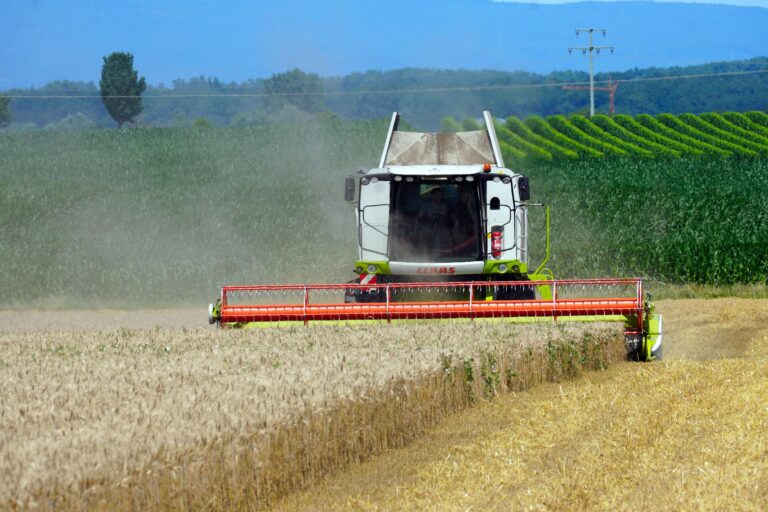
The harvest is short and intensive, concentrated in roughly 15–20 days. After that, seasonal workers get a break. Most of them come from the local area, so the crop is an important source of rural employment.
Transport remains the weak link. On the day of the interview, Alfaro needed three lorries to clear his harvest from the field. They arrived late, and loading ran well past schedule. For growers who must coordinate labour, machinery and haulage within a tight window, such delays carry a real cost.
Sources
- Somos Jujuy / Canal 7 de Jujuy, 8 Oct 2026 (primary): https://www.somosjujuy.com.ar/jujuy/la-papa-jujena-recupera-tras-ano-complicado-cuanto-cuesta-producirla-donde-va-cosecha-n125232
- Argenpapa, 8 Oct 2026: https://www.argenpapa.com.ar/noticia/17913-
- Argenpapa / Clarín Rural (Coninagro), 13 Oct 2026: https://www.argenpapa.com.ar/noticia/17936-argentina-el-precio-de-la-papa-al-productor-aumento-329-interanual-y-el-sector-paso-a-ldquo-verde-rdquo
- Argenpapa / INDEC, 15 Oct 2026: https://www.argenpapa.com.ar/noticia/17947-argentina-el-precio-de-la-papa-al-consumidor-aumento-167-interanual-aunque-bajo-3-3-en-septiembre
- PotatoPro, 9 Jul 2025 (Los Pericos frost): https://www.potatopro.com/news/2025/argentina-heladas-en-el-norte-afectan-gran-parte-de-los-cultivos
- BNA exchange rate via Rava Bursátil: https://www.rava.com/cotizaciones/historico/dolar-oficial/2026/10/09/