Plants may unknowingly sabotage themselves by sending signals that awaken dormant pests. A team of scientists from Kobe University, led by Professor Masaharu Mizutani, has identified a key molecule—solanoeclepin C (SEC)—secreted by potato roots into the soil.…
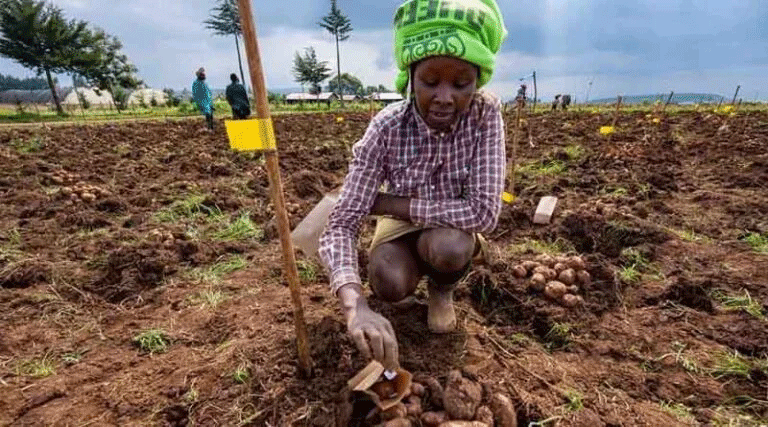
Potato late blight (Phytophthora infestans) is notorious for causing the Irish Potato Famine in the 1840s, yet it continues to destroy crops today. In Kenya, where potatoes are the second most important staple after maize, smallholder farmers…
Potato late blight (Phytophthora infestans) remains one of the most destructive diseases in agriculture, causing significant yield losses worldwide. Recently, a new strain, 43_A1, has been detected in Europe, showing resistance to carboxylic acid amide (CAA) fungicides, including mandipropamide…
Farmers and agronomists in Russia’s Kurgan region are making progress in the fight against the golden potato nematode (Globodera rostochiensis), a destructive pest that threatens potato yields. Recent data shows a reduction in quarantine zones, but long-term…
Powdery scab is a soil-borne disease that thrives in cool, moist conditions, causing unsightly lesions on potato tubers and galls on roots. Unlike other pathogens, Spongospora subterranea can survive in soil for years as resting spores, making eradication nearly…
Potato farming faces significant challenges due to bacterial wilt (Ralstonia solanacearum), a devastating disease that causes severe yield losses worldwide. In Indonesia alone, bacterial wilt can reduce potato yields by 30-70%, threatening food security and farmer livelihoods (FAO,…
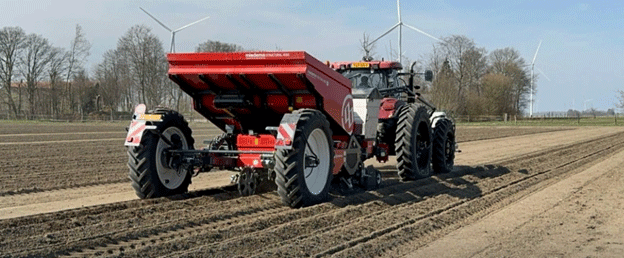
The planting season for potatoes has officially begun in Kabardino-Balkaria, with the republic’s Ministry of Agriculture projecting cultivation on 7,000 hectares—consistent with the region’s annual averages. While small-scale farmers dominate production, three key districts—Zolsky, Prokhladnensky, and Tersky—account for 52%…
As temperatures rise and soils warm up, farmers face a critical decision: plant potatoes early for a potential head start or wait to avoid summer drought risks. With the 2025 growing season underway, participants of the Gewastour are already…
Germany’s potato sector is taking decisive action against a new agricultural threat: the reed leafhopper (Hyalesthes obsoletus). This native insect, once considered a minor presence, has surged in numbers due to milder winters and extended growing seasons—clear…
In modern potato farming, insect pest control remains a critical challenge, especially with aphids and the Colorado potato beetle continuing to cause significant crop losses. Adding complexity is the limited number of insecticides still authorized under European…
Managing soil pH is one of the most effective strategies to prevent potato diseases like common scab. While compost and mulch can enhance potato health, applying lime may backfire—especially in sandy, coastal soils where disease pressure is…
The potato—a staple food for over a billion people and the world’s third most important food crop—is under siege. Once considered reliable and climate-resilient, this tuber is now facing growing threats from a changing global climate, which…