#HordeumMurinum #WildBarley #Nutrition #Agriculture #Environment #InvasiveSpecies #GeneticContamination #CoverCrop #SoilHealth #PestResistance
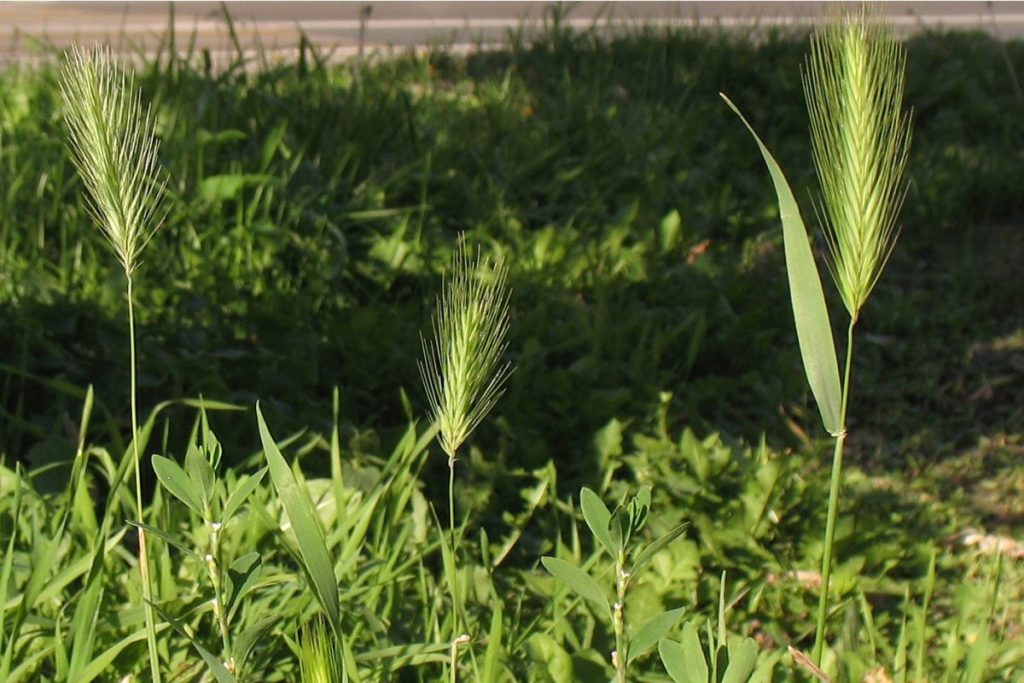
Hordeum murinum, commonly known as wild barley or wall barley, is a type of grass that is found in various parts of the world, including Europe, North Africa, and Asia. While it is often considered a weed due to its invasive nature, Hordeum murinum has been found to have several potential benefits for humans and the environment.
One of the main benefits of Hordeum murinum is its nutritional value. The plant is rich in protein, fiber, and essential minerals such as magnesium, potassium, and iron. It is also a good source of antioxidants, which can help to protect the body against disease and aging.
Weekdays. Unsubscribe in one click.
In addition to its nutritional value, Hordeum murinum has also been found to have potential uses in agriculture and environmental conservation. For example, the plant has been shown to have a natural resistance to pests and diseases, which could make it a valuable crop for farmers looking to reduce their use of pesticides and other chemicals. It also has the potential to be used as a cover crop, which can help to prevent soil erosion and improve soil health.
However, there are also potential risks associated with the development of Hordeum murinum as a crop or food source. For example, the plant is known to be invasive and can quickly spread to other areas, potentially causing ecological damage. There are also concerns about the potential for genetic contamination, as wild barley could potentially crossbreed with other types of barley and create new strains with unknown characteristics.
Overall, while Hordeum murinum shows promise as a potential source of nutrition, agricultural benefits, and environmental conservation, further research is needed to fully understand the risks and benefits associated with its development.